
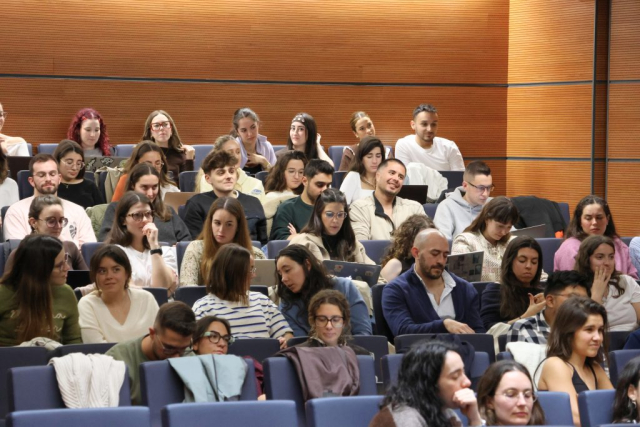
We took part in HUMV sessions to promote research among hospital residents
At the Cantabria Cohort, we took part in the “Discover Research and What IDIVAL Has to Offer” session, held at the Marqués de Valdecilla University Hospital (HUMV). This initiative is aimed especially at first-year residents (R1), with the goal of bringing biomedical research closer to them, showcasing real opportunities, and inspiring those who are beginning their professional careers.
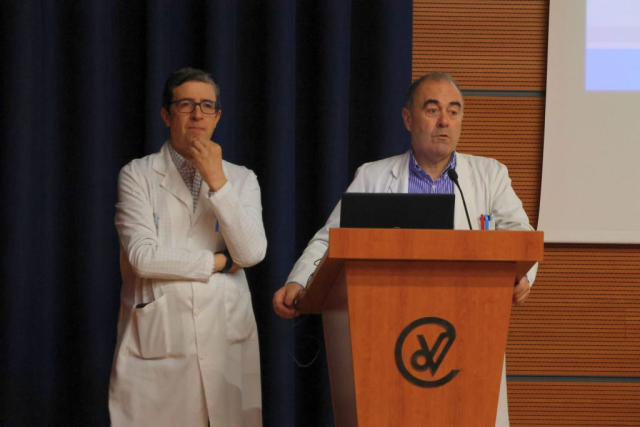
The session began with an institutional welcome in which the Managing Director of HUMV, Félix Rubial Bernárdez, highlighted the key role of research as a fundamental part of the hospital’s professional identity. Next, Marcos López Hoyos, Scientific Director of IDIVAL, presented the Institute’s ecosystem, explaining how research is structured within the hospital environment, its main strategic areas, research groups and support units, as well as the specific opportunities available to residents.
One of the most practical sections of the session addressed how to get started in research from the first year of residency. Through different professional profiles, participants were given guidance on how to join research groups, which types of projects are feasible during this stage, how to balance research activity with clinical training, and the most common mistakes when starting out. Key aspects such as beginning a PhD during residency were also discussed, including the different pathways, compatibility with clinical duties, funding options, and the importance of good planning.
The session also included the presentation of real-life cases illustrating different research approaches: from translational clinical projects with direct patient impact, to basic laboratory research, as well as examples of technological innovation, digitalisation, and artificial intelligence in healthcare.
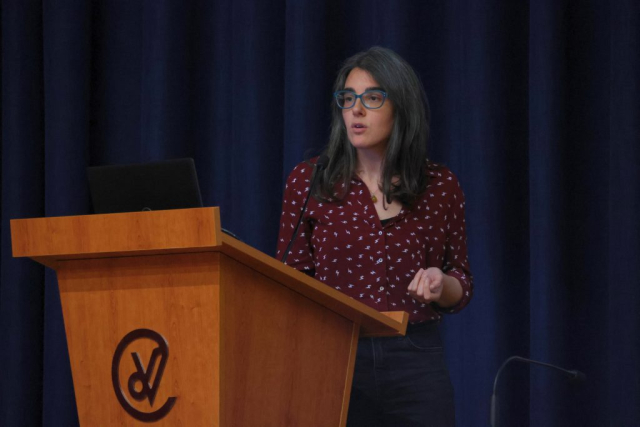
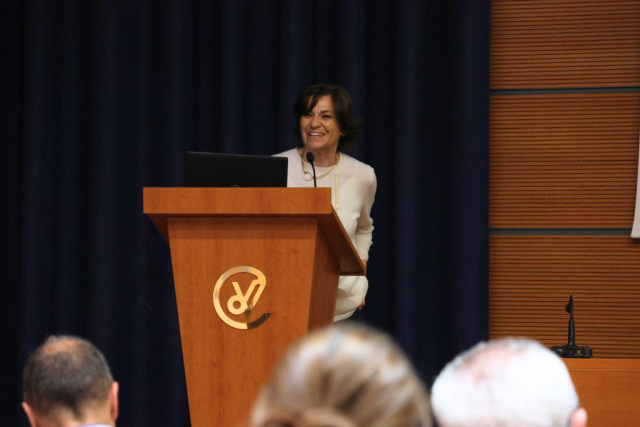
In the section on IDIVAL research resources, the Cantabria Cohort was presented as one of the key tools, highlighting its value as a biomedical research platform. Marta Díaz, project coordinator, presented the study design, the available data and samples, and the access procedures, emphasising the opportunity for residents to develop research projects using these resources. In the same session, María José Marín presented IDIVAL’s technological services, including the Valdecilla Biobank; Blanca Sánchez presented the Clinical Trials Unit; and María Luisa Sámano presented the European Projects Office and the support provided by IDIVAL for submitting competitive funding applications.
Finally, the impact of research on professional development was addressed, both in academic and hospital career paths, as well as the various training opportunities available throughout a professional trajectory.
The session concluded with an invitation for residents to take their first steps in research by participating in mentoring programmes, open events, and future funding calls.
At the Cantabria Cohort, we remain committed to promoting research activities, helping younger professionals become familiar with available resources, and contributing collaboratively to the advancement of health knowledge.