




A few weeks ago, we sent questionnaires to some of our participants to gather information about their sleep habits, physical activity, and meal schedules. This initiative is part of a new research project led by Dr. Trinidad Dierssen Sotos and Dr. Juan Irure Ventura, both researchers at IDIVAL from the Epidemiology and Public Health Group and the Immunopathology Group, respectively. The study, funded by the Carlos III Health Institute through the AES 2024 call, focuses on analyzing how circadian disruption—that is, the alteration of our natural sleep-wake cycles—may contribute to the development of chronic diseases such as type 2 diabetes, depression, and cardiovascular diseases.
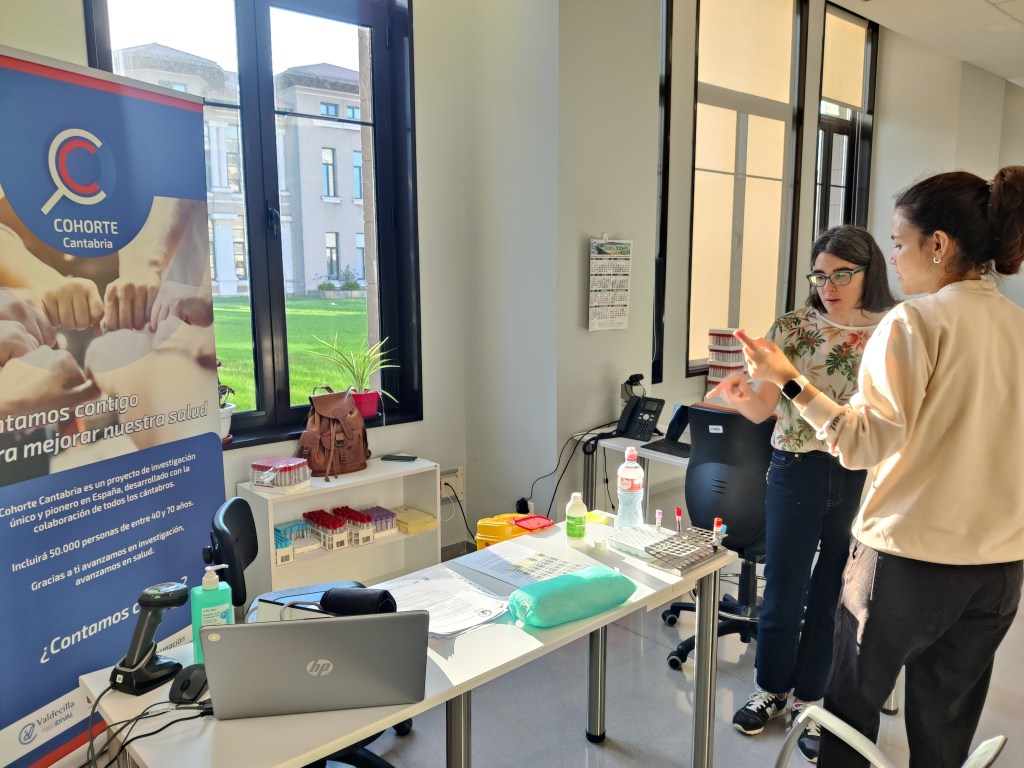
Based on scientifically established criteria set by the specialists, we invited a sample group to participate in additional tests to study their health in greater depth. Today, the first three participants arrived at Pavilion 20 of Valdecilla Hospital.
The goal is to include 1,000 volunteers from Cantabria Cohort to undergo new blood tests, blood pressure measurements, and body composition assessments. In addition, they will wear wristbands to monitor their physical activity and sleep, as well as devices that track their exposure to light.
But why is the circadian rhythm so important? Because it regulates virtually every system in the body:
🌙The sleep-wake cycles
🧠 Alertness, attention, and cognitive function
🛡️ The immune system
🧪 Hormone secretion
🌡️Body temperature
💓 Blood pressure and heart rate
🍽️ Metabolism and digestion
If you’re invited to join the study, don’t hesitate to participate. We’ll be here waiting for you!